
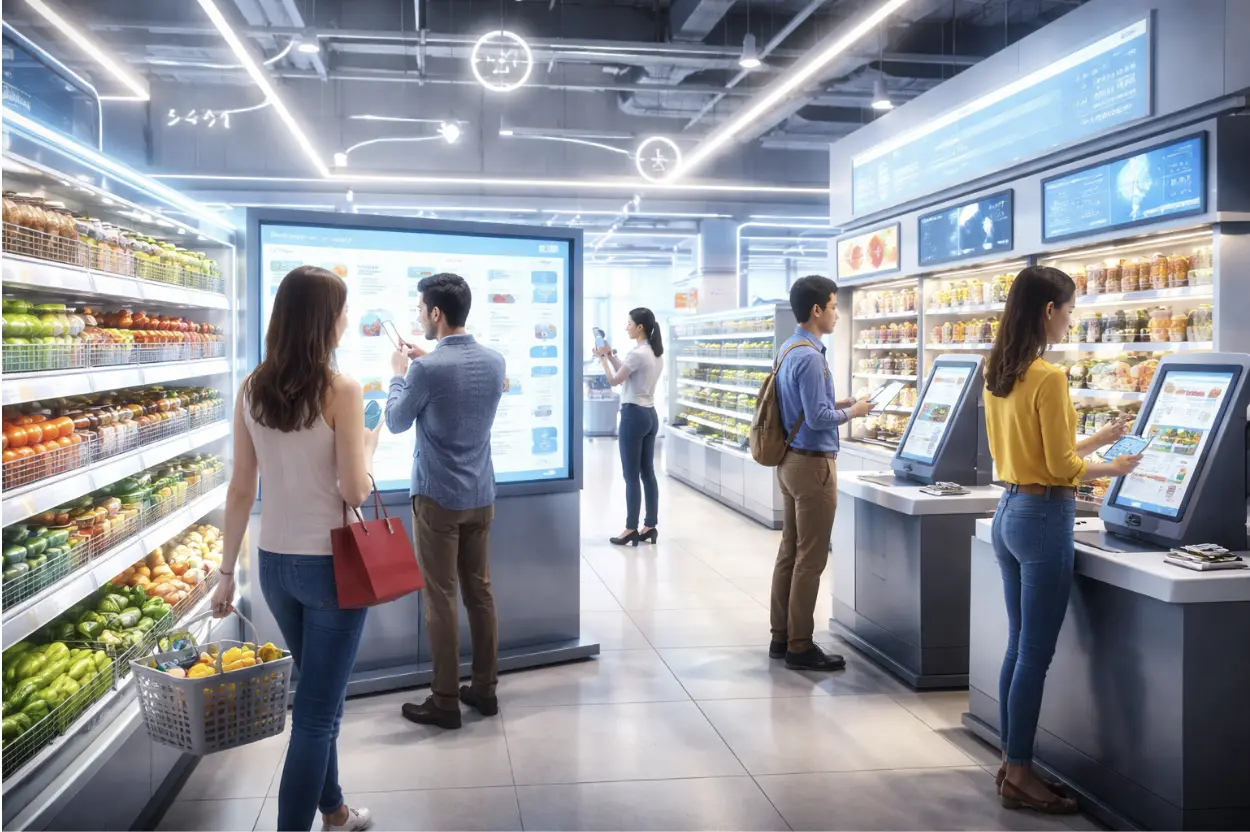
Retail is evolving at an unprecedented pace, and one of the most significant transformations is happening inside physical stores. Gone are the days when shopping meant wandering aisles, searching for products, and waiting in long checkout lines. Today, smart stores are reshaping the retail experience by blending technology, data, and convenience to create seamless, engaging shopping journeys, much like how digital platforms such as the tongits na baraha have revolutionized the way enthusiasts experience card games online, combining accessibility, personalization, and interactivity. But what makes a store “smart,” and how is this changing the way we shop?
What Makes a Store “Smart”?
One way shops stay sharp is by using tech that keeps things moving behind the scenes and out front. Right when stock dips, sensors built into shelves send signals—no guesswork needed. These alerts help workers refill fast while data guides where to place goods for better reach. Instead of lines at registers, people tap screens or phones to pay and walk out sooner. Hidden
smarts kick in as someone moves through aisles—their history lights up tailored suggestions on nearby displays.
Even quiet corners talk back now, feeding info so offers feel less random and more like they know you. Hidden systems like data tools and artificial intelligence adjust how stores arrange shelves and run deals because they track what sells best. These smart methods link digital ease into real shops where people touch things before buying.
The Shopper’s Perspective: Convenience Meets Personalization
Smooth moves ahead when people walk into smart stores—each visit shaped just for them. Right after stepping inside, phone alerts pop up with picks based on what they’ve liked before. Screens come alive too, showing stuff that matches earlier buys or clicks. Instead of waiting around at registers, folks breeze through checkout using apps or tap-to-pay tricks. Lines shrink because cashiers aren’t always needed anymore. Gadgets handle payments fast while shoppers keep moving. Notifications from linked apps might alert shoppers to deals or nudge them about past buys, helping things feel smoother. Smart shops meet today’s demands—fast, easy, tailored—yet keep the hands-on, human vibe that makes physical browsing special.
Examples of Smart Store Technology in Action
Retailers worldwide are adopting smart store innovations, creating compelling examples of how technology is transforming shopping. Some notable examples include:
- Amazon Go (USA): Customers walk in, select items, and leave without waiting in line, thanks to sensors and computer vision that automatically track purchases.
- Sephora (Global): Smart mirrors and app integrations recommend beauty products and allow customers to “try on” looks virtually.
- Zara (Global): Smart fitting rooms and digital displays streamline shopping and checkout while providing real-time inventory information.
- Lidl and Tesco (Europe): IoT-enabled shelves and checkout apps reduce queuing and improve stock management.
Even smaller retailers are adopting smart technology incrementally, using digital price tags, loyalty apps, and other tech solutions to enhance the in-store experience.
Benefits for Retailers
Smart shops do more than just serve shoppers well. Because machines keep tabs on what’s in stock, stores rarely run short or pile up too much. Seeing how people shop helps owners adjust ads and rearrange shelves with real info behind choices. When robots handle boring jobs like scanning items, workers shift toward helping guests in ways that matter more. New tech makes shopping smooth, pulling people in when brands fight for attention—this quietly tells them some stores plan ahead while caring about their time.
Challenges and Considerations
One thing to think about is how smart stores bring new chances but raise questions too. Because tracking customer habits means handling personal details carefully, trust matters more every day. Getting the tools working well takes money upfront—also time spent teaching staff step by step. Machines might do tasks fast, yet people still want someone who listens when help is needed. What feels efficient could feel cold if it forgets warmth.
The Future of Smart Stores
One step at a time, smart stores keep changing without pause. Soon, shoppers might follow AI helpers pointing out items and deals along the way. Instead of flipping screens, people could test things in lifelike digital spaces using AR or VR tricks. Checkout-free shops may stretch into new kinds of stores beyond groceries. Light systems that save power, plus machines cutting trash on their own, will probably show up everywhere. Bricks-and-mortar spots aren’t fading—instead, they’re mixing with online ease to shape how we touch, see, and buy.
Key Takeaways
Not every store gets it right, yet smart ones mix tech with useful data to smooth out shopping. Faster lines show up when machines handle payments without delays. People see suggestions that actually match what they like, thanks to behind-the-scenes tracking. Inside the shop, screens respond, and products talk back—sometimes literally. Stores run smoother once systems link up and share updates in real time. Seeing patterns helps owners stock smarter, avoid waste, and shrink losses. Still, keeping personal info safe becomes harder each year. Spending big on new tools can scare off smaller shops. Workers need time, plus clear help, before using high-end gear. Down the road, expect spaces where lights adjust as you walk by, guided by silent algorithms. Green materials, reusable setups, and less energy—they’re becoming standard, not special.
Conclusion
Right now, shops with brains aren’t sci-fi—they’re already changing how we buy things. Technology slips into each part of shopping, mixing ease from the web with real-world presence. Sensors track movement; artificial intelligence suggests items while checkout lanes run themselves—apps adjust on their own too. These touches make buying quicker, sharper, and suited to how people actually shop today. Staying ahead means using tools like these—one way stores keep pace, stay visible, and put shoppers first amid constant change.